Optimal Timing for Air Quality Testing
Conducting air quality testing at optimal times can ensure accurate results and effective assessments. The timing depends on various factors, including seasonal variations, weather conditions, and occupancy patterns. Understanding these variables helps determine when testing will provide the most reliable data on indoor and outdoor air quality.
Air quality can fluctuate with seasons, often worsening during winter due to heating and during summer because of increased outdoor pollution. Testing during these periods can reveal specific issues related to seasonal changes.
Testing after construction or renovation projects helps identify potential indoor pollutants and ensures the space is safe for occupancy once work is completed.
Testing during periods of high occupancy can uncover air quality issues caused by increased activity, such as cooking, cleaning, or gatherings.
Following weather events like storms or heavy winds, testing can detect external pollutants that may have entered indoor spaces.
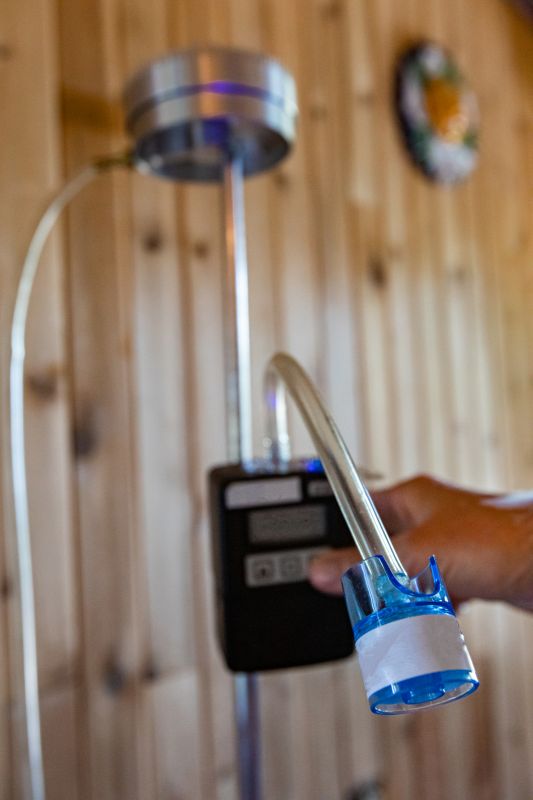
Advanced devices used for precise measurement of pollutants and particulates.
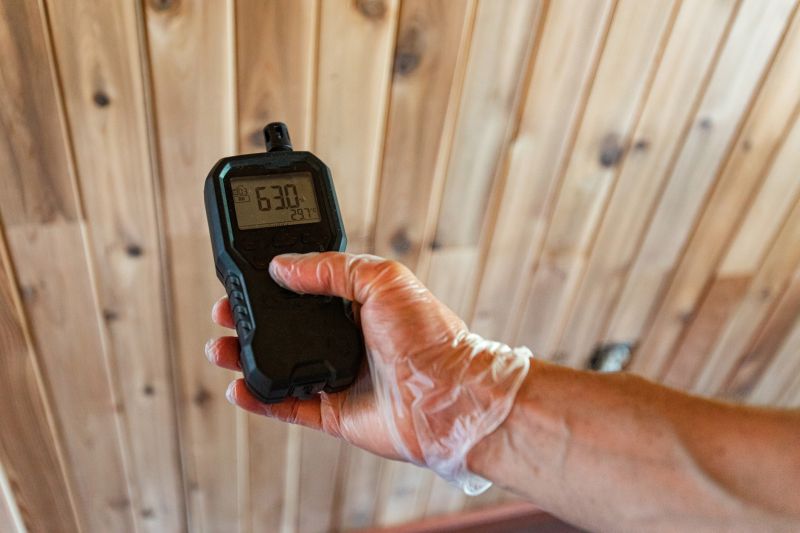
Collecting outdoor air samples to compare with indoor levels.
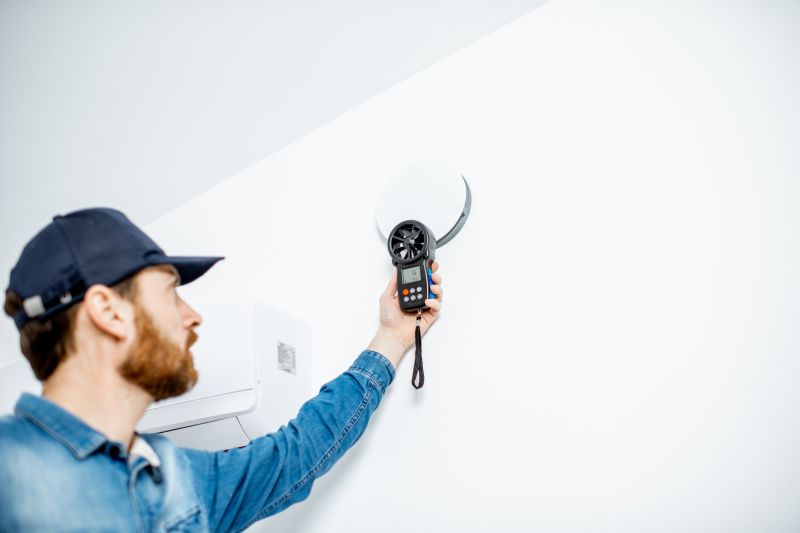
Assessing air quality after building modifications.
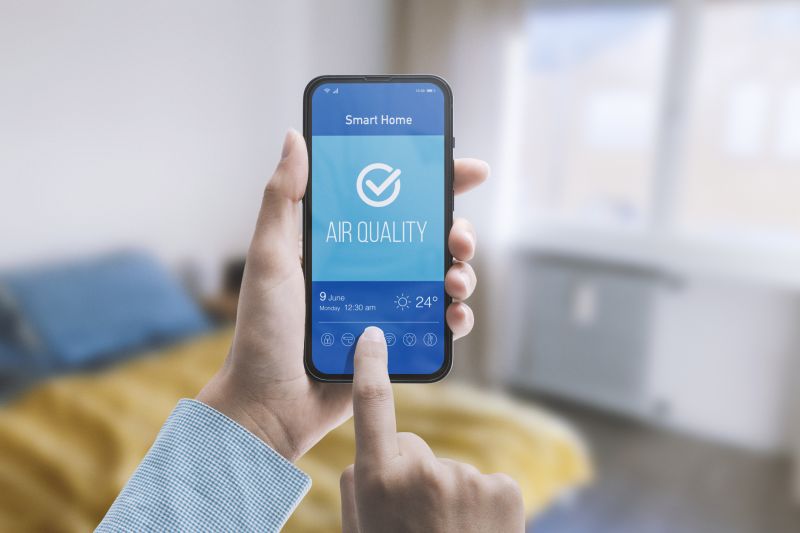
Monitoring external factors affecting indoor air quality.
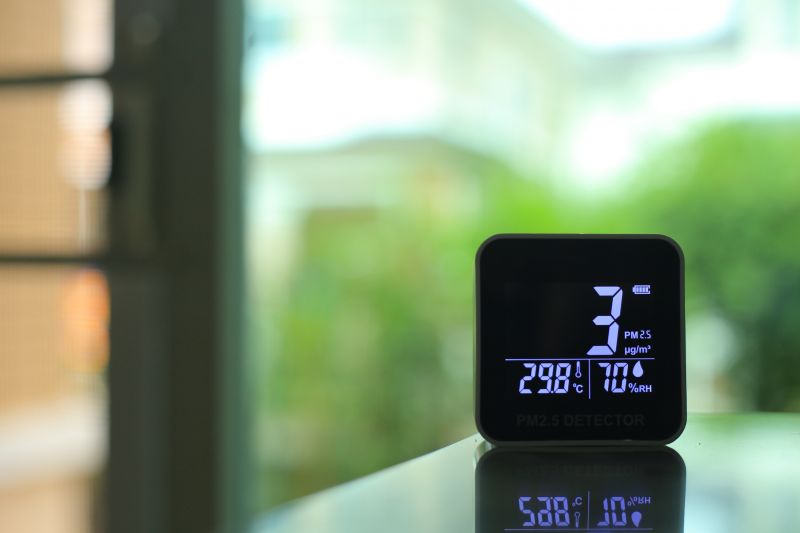
Devices used to continuously track air quality levels over time.

Air testing in offices and industrial environments.

Assessments for homes to ensure safe indoor air.

Interpreting test results for actionable insights.
Ways to make Air Quality Testings work in tight or awkward layouts.
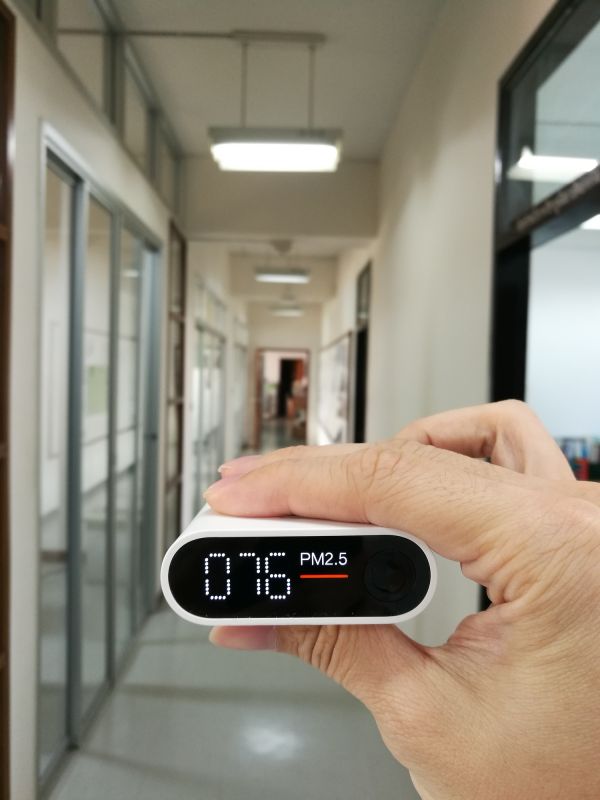
Popular materials for Air Quality Testings and why they hold up over time.
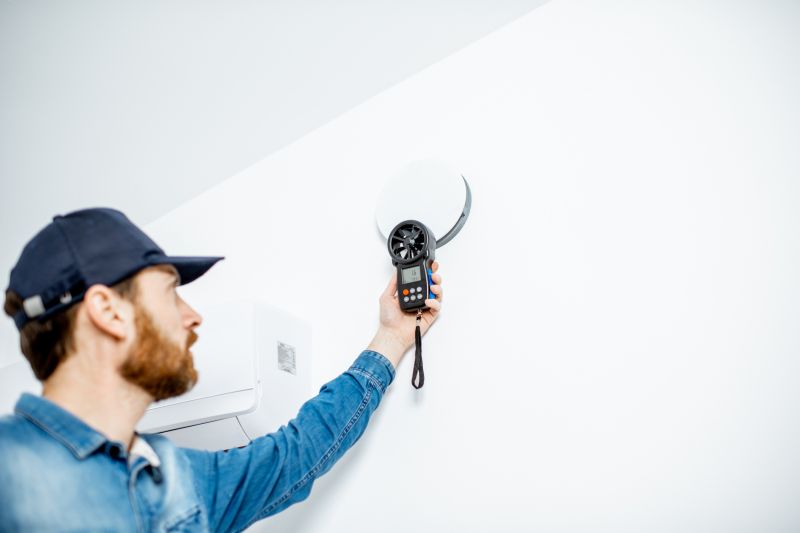
Simple add-ons that improve Air Quality Testings without blowing the budget.
Interested in scheduling air quality testing? Filling out the contact form provides an opportunity to discuss specific needs and determine the best testing schedule for particular environments. Regular assessments help maintain safe indoor air quality and address potential issues proactively.