Air Quality Testing Services Overview
Visitors can learn how local contractors perform air quality testing and compare options to find the right service providers for their needs.
- - Residential property owners seeking to identify airborne contaminants and improve indoor air quality.
- - Commercial building managers aiming to ensure safe air conditions for employees and visitors.
- - Property investors or landlords wanting to assess air quality before leasing or selling spaces.
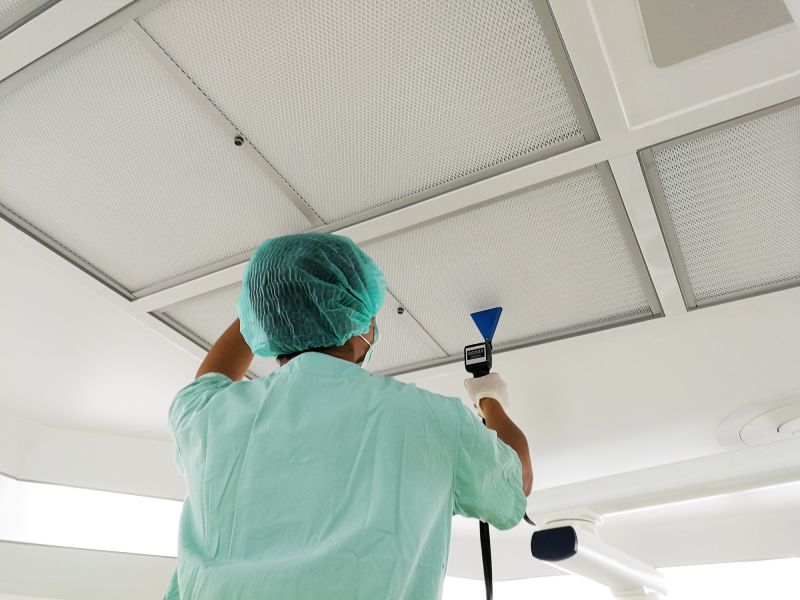
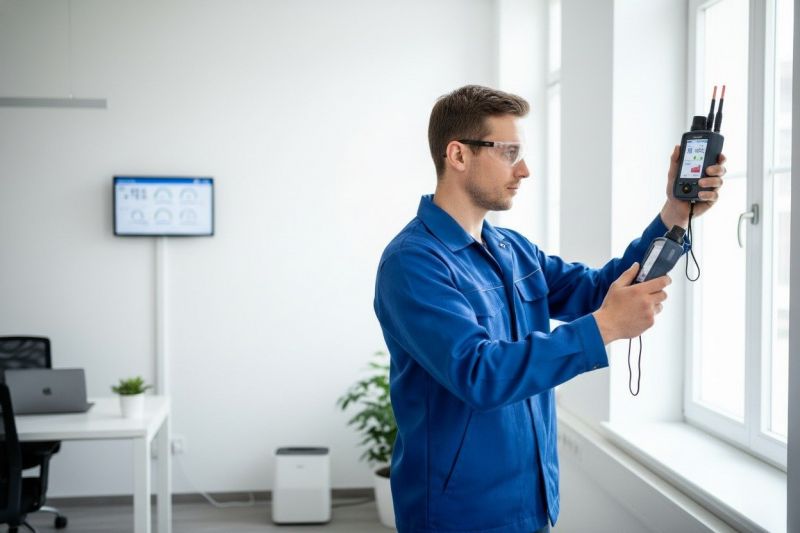
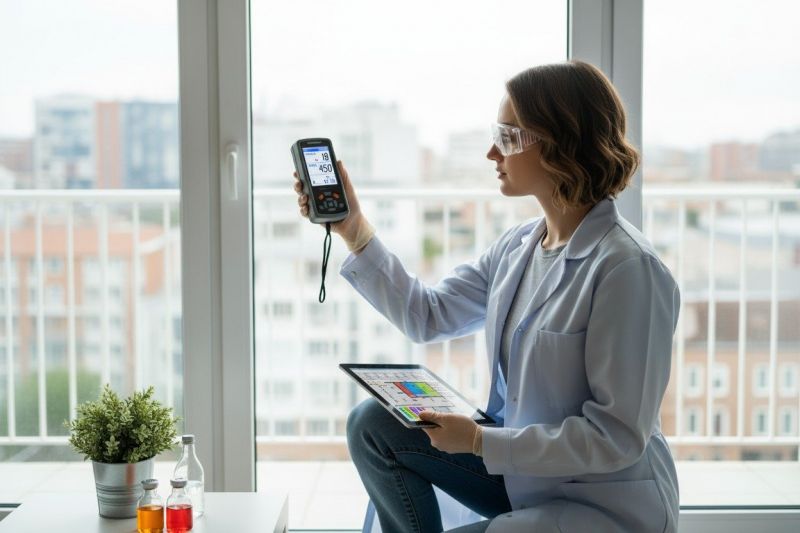
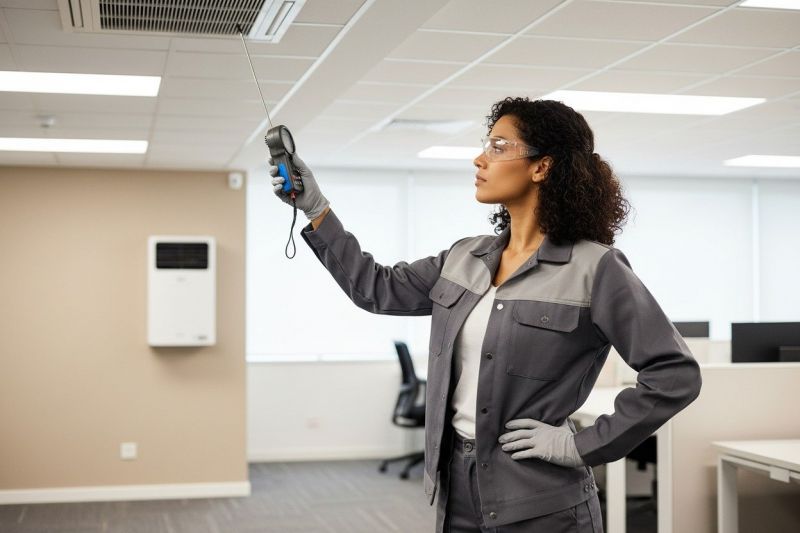
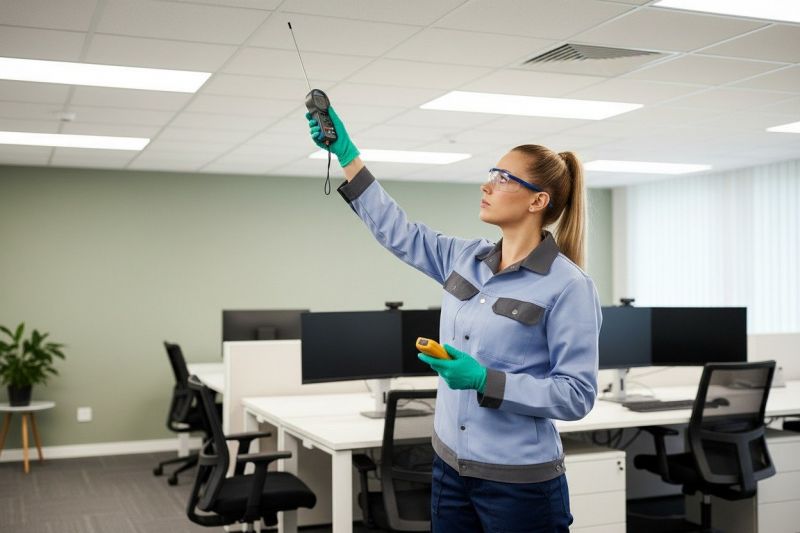
Air quality testing services involve assessing indoor environments to identify potential pollutants, allergens, or airborne contaminants that could impact health and comfort. Property owners often seek out local contractors who specialize in air quality assessments to gain a clearer understanding of their indoor air conditions. These professionals typically perform inspections, collect air samples, and analyze results to help identify sources of problems such as mold, dust, or volatile organic compounds. Working with experienced local service providers ensures that property owners receive accurate testing and relevant recommendations tailored to their specific situations.
Local air quality testing providers are equipped to handle a variety of concerns, whether due to recent renovations, suspected mold growth, or persistent odors. They often serve residential, commercial, or industrial clients, providing detailed reports and insights into indoor air conditions. Property owners can expect these professionals to offer clear explanations of findings and suggest appropriate next steps. Connecting with local contractors through trusted lead generation platforms can help individuals compare options and select the right service provider for their air quality testing needs.
This guide provides helpful information to understand what air quality testing involves and what to consider when choosing a service provider. It assists visitors in comparing local contractors and understanding the basics of the work. The goal is to help users make informed decisions when connecting with nearby air quality testing professionals.