
Expert Picks for Air Quality Testing Equipment You Can Trust
Discover highly recommended testing solutions that provide clear insights into your indoor air quality levels.
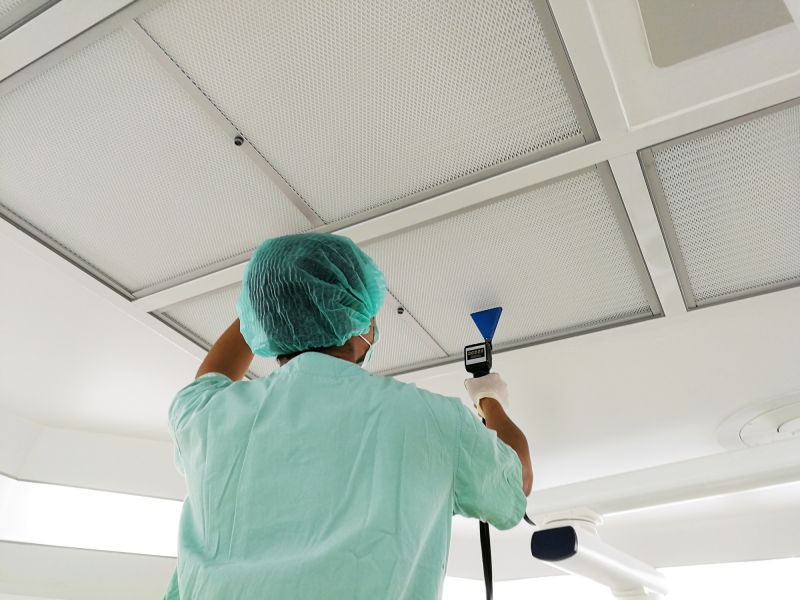 Air quality testing products are essential tools for assessing indoor environments and identifying potential pollutants. These devices can detect a variety of airborne contaminants such as particulate matter, volatile organic compounds (VOCs), mold spores, and gases like carbon monoxide and radon. Proper testing can help individuals understand the air quality in their homes or workplaces, enabling informed decisions about ventilation, filtration, or remediation strategies. Many air quality testing options range from simple handheld devices to more comprehensive systems that provide detailed analysis and data logging.
Top Overall Option
Multi-Purpose Air Quality Monitoring System
This versatile device offers comprehensive detection of particulate matter, gases, and VOCs, providing real-time data with user-friendly interfaces. It is suitable for both casual home use and professional assessments, featuring multiple sensors and connectivity options for detailed analysis.
Types of Products For Air Quality Testings
Portable Particulate Matter Sensors
Compact devices that measure dust, pollen, and other airborne particles, ideal for quick spot checks.
VOC Detectors
Devices designed to identify volatile organic compounds emitted by household products and building materials.
Radon Test Kits
Specialized kits for measuring radon levels in indoor environments, often involving test strips or electronic detectors.
Carbon Monoxide Detectors
Sensors that alert users to dangerous levels of carbon monoxide, a colorless and odorless gas.
Mold Testing Kits
Tools for sampling and identifying mold spores and moisture levels in indoor spaces.
Indoor Air Quality Monitors with Data Logging
Advanced devices that track multiple pollutants over time and store data for analysis.
Smart Air Quality Sensors
Connects to smartphones and home automation systems for real-time monitoring and alerts.
Gas Leak Detectors
Detects natural gas or propane leaks that could pose safety hazards indoors.
Humidity and Temperature Sensors
Monitors indoor moisture and temperature levels, which can influence air quality and mold growth.
DIY Air Quality Testing Kits
Affordable kits for home use that include sampling materials and instructions for basic assessments.
Air Purifier with Built-in Sensors
Devices that monitor air quality levels and automatically adjust filtration settings.
Environmental Test Chambers
Professional-grade systems used for detailed laboratory analysis of air samples.
Electrochemical Gas Sensors
Sensitive sensors capable of detecting specific gases like nitrogen dioxide and sulfur dioxide.
Laser Particle Counters
High-precision instruments that count and size airborne particles for detailed analysis.
Popular Choices
Compact devices favored for quick assessments of VOC levels in various settings.
Wi-Fi enabled sensors that provide real-time updates and historical data via mobile apps.
Widely used for initial radon screening in homes, offering ease of use and quick results.
Popular for their ability to measure multiple pollutants simultaneously with digital readouts.
Commonly installed in homes to provide early warnings for CO buildup.
Simple kits used by homeowners to sample visible mold for laboratory analysis.
Devices popular among professionals for continuous monitoring and record keeping.
Devices that provide immediate visual alerts for gas leaks in residential or commercial spaces.
Devices that track moisture and carbon dioxide levels, common in offices and schools.
Affordable and easy-to-use options for homeowners to assess radon levels without professional help.
Popular for their ability to automatically adjust filtration based on real-time air quality data.
Used by specialists for detailed indoor air quality assessments and research purposes.
Understanding the differences between various testing products can aid in selecting the most suitable device for specific needs. For instance, some testers are designed for quick spot checks and are easy to operate, while others offer in-depth analysis suited for professional use. The accuracy, sensitivity, and ease of use are important factors to consider when evaluating these products. Additionally, some testing kits are intended for specific pollutants, such as radon detectors or mold testing kits, while others provide a broad spectrum assessment.
Investing in reliable air quality testing tools can be a proactive step toward maintaining a healthy indoor environment. Regular testing can help identify issues early, especially in areas prone to high pollution levels or moisture problems. Many products now come with digital displays, smartphone connectivity, and data storage features, making it easier to monitor air quality over time. Whether for personal health, property management, or compliance purposes, selecting the right testing product can provide valuable insights into the air you breathe daily.
Ultimately, choosing an air quality testing device involves balancing factors such as accuracy, ease of use, cost, and the specific pollutants of concern. Consulting product specifications and customer reviews can help in making an informed choice. Proper testing and understanding of indoor air quality are vital steps toward creating a safer and healthier living or working space.
Key Buying Considerations
- Identify the specific pollutants you need to detect, such as VOCs, radon, or particulate matter.
- Determine whether you prefer a portable handheld device or a stationary monitor with data logging capabilities.
- Check the sensitivity and detection limits of the device to ensure it meets your assessment needs.
- Consider ease of use, including setup, operation, and interpretation of results.
- Review the device’s display features, such as digital readouts, smartphone connectivity, or app integration.
- Assess the power source options—battery operated, plug-in, or rechargeable batteries for convenience.
- Look into the maintenance and calibration requirements for ongoing accuracy.
- Evaluate the size and weight if portability is a priority for your testing routines.
- Research customer reviews and ratings to gauge reliability and user satisfaction.
- Compare the cost of the device and any additional accessories or replacement parts.
- Verify the availability of customer support and warranty services.
- Consider whether the device provides real-time alerts or data sharing capabilities.
- Determine if the device complies with relevant safety and accuracy standards.
- Assess whether the product includes comprehensive instructions or requires professional assistance.
- Think about the storage capacity for data logs if long-term monitoring is desired.
This page contains affiliate links. We may earn a commission from qualifying purchases, which helps support our content creation. All product recommendations are based on informational value and neutrality.